Most people do not set out to lose touch. It rarely happens in one dramatic moment. More often it happens quietly. You mean to reply later. You think of someone while making tea and promise yourself you will message them that evening.


Most people do not set out to lose touch. It rarely happens in one dramatic moment. More often it happens quietly. You mean to reply later. You think of someone while making tea and promise yourself you will message them that evening. A birthday sneaks up. A few weeks pass faster than they should. Then a month. Then long enough that reaching out begins to feel slightly awkward.
All the care is still there. What is missing is time, energy, bandwidth, or that elusive moment where everything lines up and you actually do the thing you meant to do.
This is such a common part of modern life that people often treat it as inevitable. Everyone is busy. Everyone is overwhelmed. Everyone has too many tabs open in their head. So of course it becomes hard to keep up with the people we love.
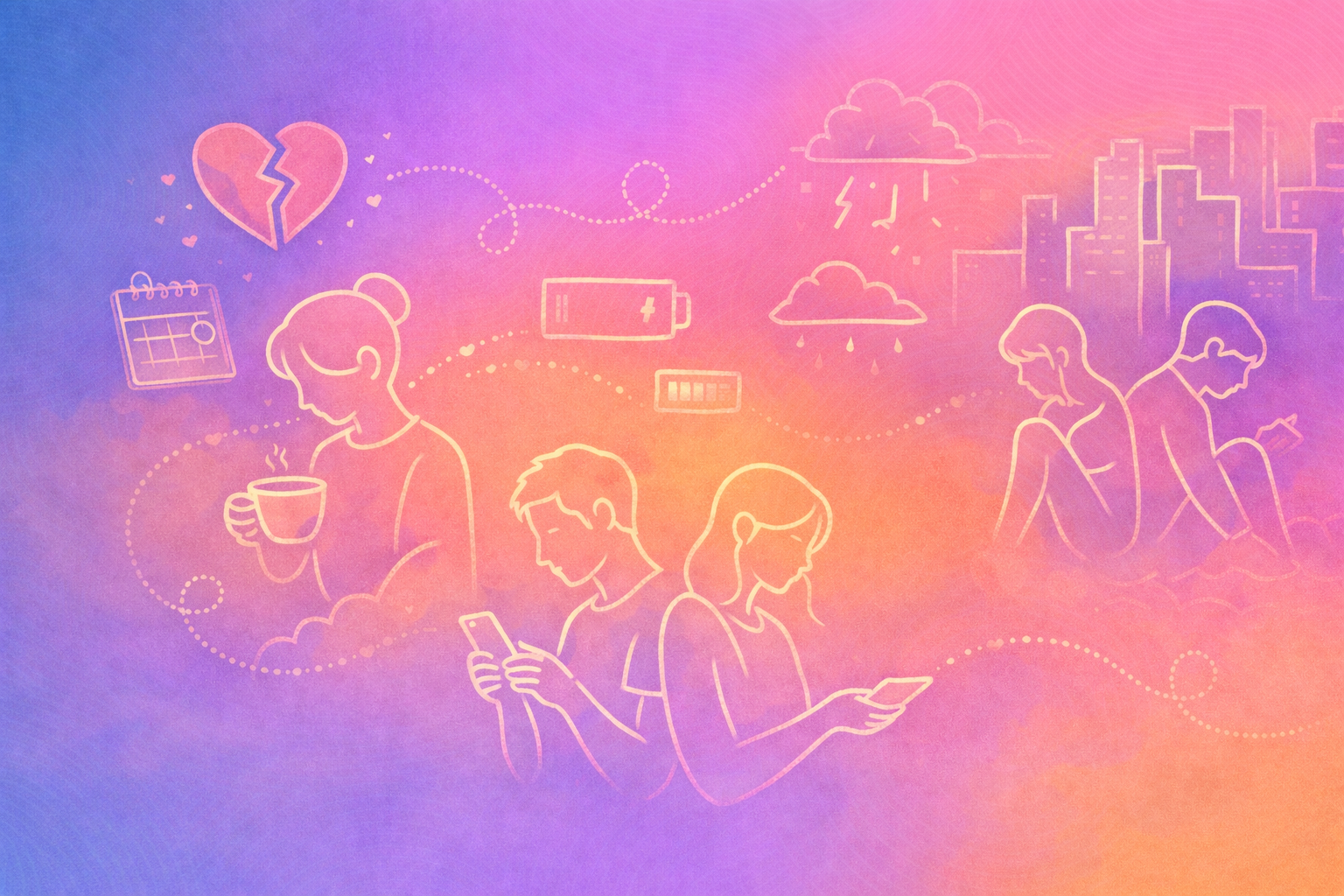
For a lot of people, keeping in touch carries a surprising emotional weight. It can stir up guilt, pressure, self-criticism, and the uncomfortable feeling that you are somehow failing at something very basic. You know your friendships matter. You know family matters. You know you care. That is exactly why it hurts when you feel you are not showing up as the version of yourself you want to be.
What makes this harder is that relationships do not fit neatly into the systems we use for everything else.
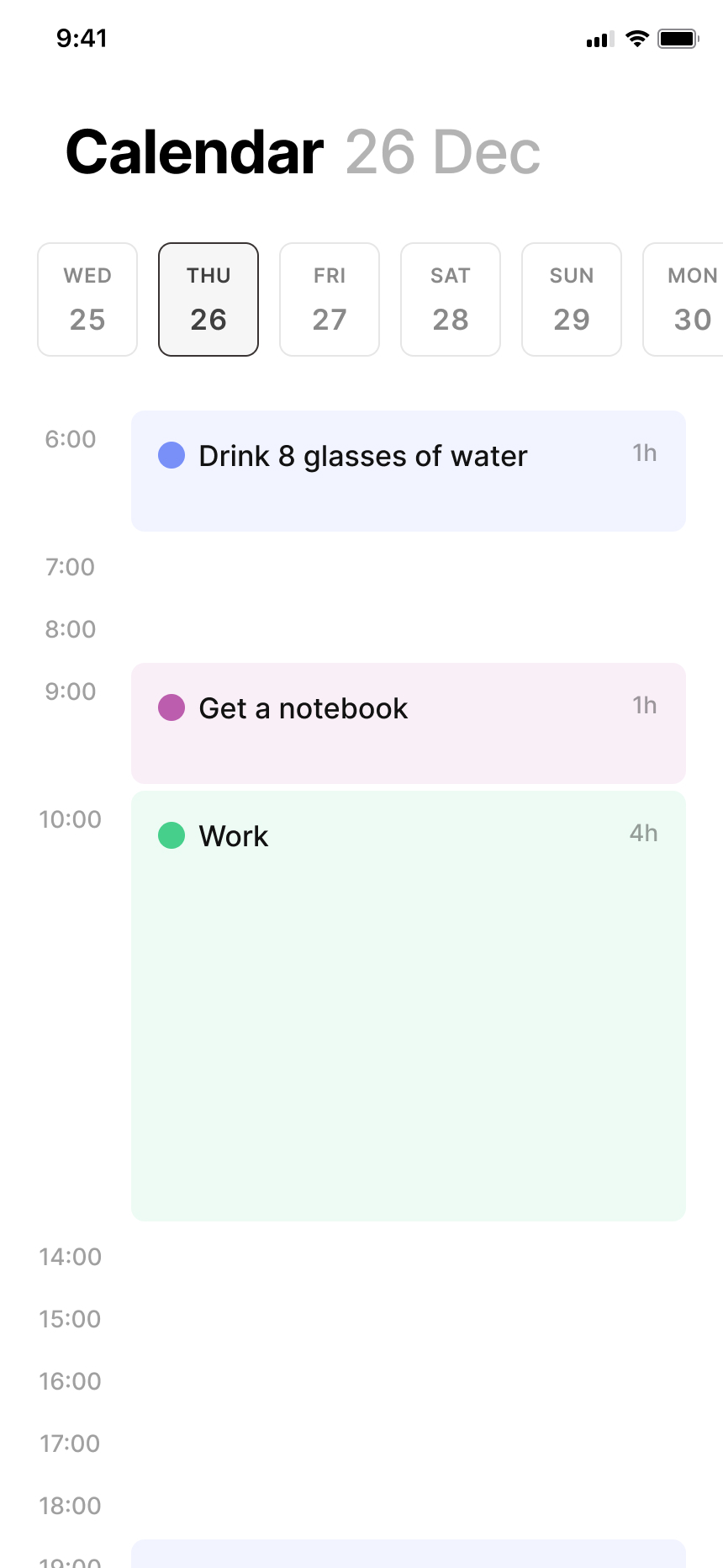
Work has calendars, deadlines, meetings, project boards, reminders, and structures. Admin has lists. Shopping has lists. Chores have lists. The machinery of adult life is built around the idea that anything important can be captured, scheduled, sorted, and completed.
Human connection is different.
That is why keeping in touch can feel oddly tiring. It is not just a matter of logistics. It carries memory, meaning, emotion, and social uncertainty. You are not only remembering to act. You are navigating what the act means.
For some people, this is only an occasional wobble. For others, it is a recurring struggle. This can be especially true for people who are already dealing with overload, burnout, anxiety, executive functioning difficulties, or the strange way time can slip past when your brain is busy surviving other things.
Caring is rarely the problem. The problem is friction.
Tiny bits of friction are enough to stop a good intention becoming a real moment of connection. Not knowing when to reach out. Not remembering how long it has been. Wondering whether now is too late. Feeling that if you cannot send the perfect message, you may as well wait. Then, because the message waits, it becomes even harder to send.
This is where a lot of digital tools misunderstand the problem. They treat communication like a productivity issue. Add a reminder. Add a notification. Add a target. Add more structure. Sometimes that helps. Sometimes it just adds another layer of pressure to something that already feels sensitive.
What many people need is not more pressure. They need less friction.
That may mean a gentle prompt at the right moment. A calmer way to remember who matters. A little support when your brain is full and your energy is low. Something that helps the caring part of you reach the practical part of your day.
That is the space Silka is interested in.
Not the loud, optimised, gamified corner of technology that tries to push behaviour through urgency. The quieter space where a little kindness in the design can make something emotionally difficult feel more doable.
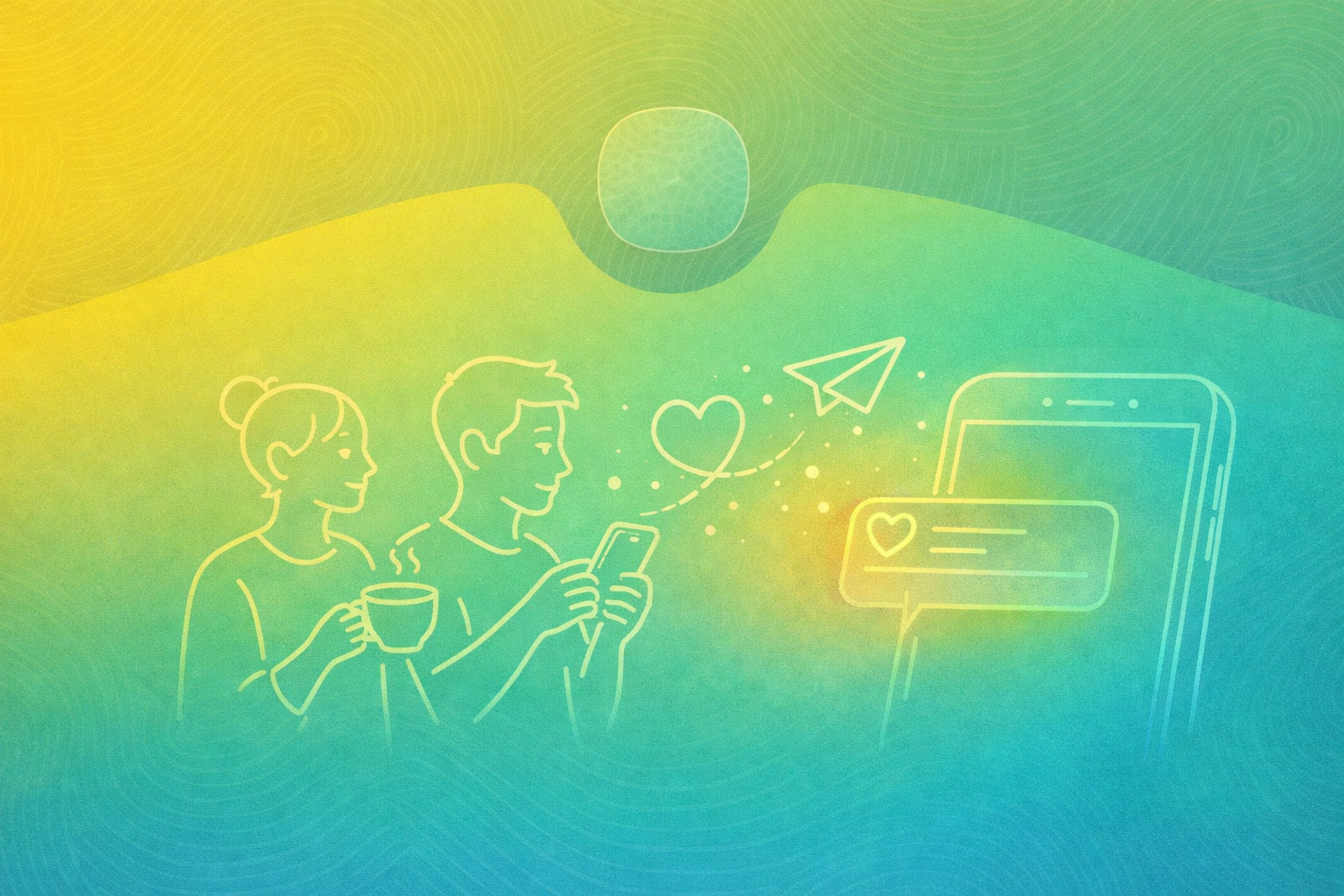
We think that matters because staying in touch is one of those parts of life that can look small from the outside while being enormous on the inside. A short message. A remembered birthday. A simple “thinking of you”. These are tiny acts with outsized meaning. They keep friendships warm. They stop distance from hardening into silence. They remind people they exist in each other’s minds.
When those acts start to feel like homework, something has gone wrong. Connection should not feel like a punishment for being busy. It should not feel like another arena in which to disappoint yourself. It should not require you to become a perfectly organised, relentlessly consistent, emotionally frictionless person.
Real life is messier than that. People forget. People get tired. People have dense, difficult weeks. People love one another imperfectly. None of that means the bond is not real. A good tool for relationships should begin there.
Keeping in touch matters. It matters enormously. That is exactly why it should feel lighter than it often does.
Powerful, self-serve product and growth analytics to help you convert, engage.
Lorem ipsum dolor sit amet, consectetur adipiscing elit. Suspendisse varius enim in eros elementum tristique duis cursus, mi quis viverra ornare.
Join thousands who trust us for secure, seamless, and smart banking. Sign up now!